Blood Sugar & Insulin Optimization

Blood Sugar & Insulin Optimization
Rebuild your metabolic flexibility
Blood Sugar & Insulin Optimization focuses on helping your cells respond better to insulin so you can stabilize blood sugar, reduce cravings, and lower long‑term metabolic risk.

Your Aerwell provider evaluates symptoms, medical history, and risk factors, then orders labs that may include fasting glucose, insulin, HbA1c, and advanced metabolic markers. Based on findings, you receive a structured plan that may blend nutrition strategies, resistance training, sleep optimization, and when appropriate, medications or peptides that support insulin sensitivity. Many patients see improvements in glucose metrics and energy levels within 8–12 weeks, with more substantial changes in body composition and cardiovascular risk markers over 3–12 months.
Please note: All clients must complete an initial assessment to determine eligibility and access this protocol.




Structured Protocols
Structured protocols can help shift body composition toward more lean mass and less fat over time.
Reduce Risk
Better insulin sensitivity is linked with reduced visceral fat and improved cardiovascular risk profiles.
HbA1c
Insulin‑sensitivity management often includes tracking glucose control and HbA1c to quantify progress.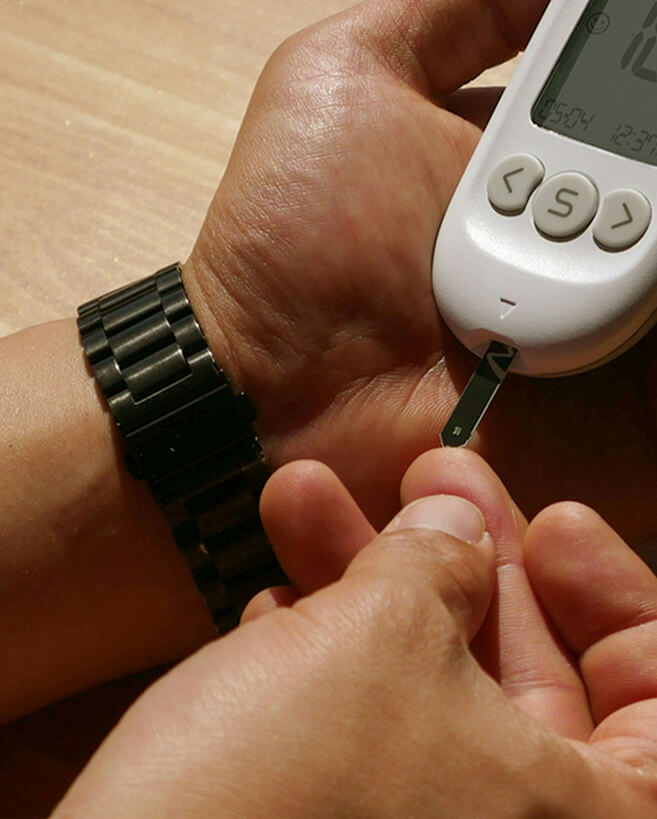
Improve Metabolic Markers
Improvements in metabolic markers such as insulin sensitivity and body composition are routinely monitored in hormone‑optimization programs.
Poor sensitivity contributes to weight gain, fatigue, and metabolic issues; optimizing it improves energy, fat loss, and overall health.
Lifestyle interventions (diet, exercise, sleep), potential supplements, and monitoring (e.g., continuous glucose monitoring) to enhance natural sensitivity.
Improved energy, stable blood sugar, easier weight management, and better lab markers over weeks to months.