Continuous Glucose Monitoring
Continuous Glucose Monitoring
Blood sugar in real time
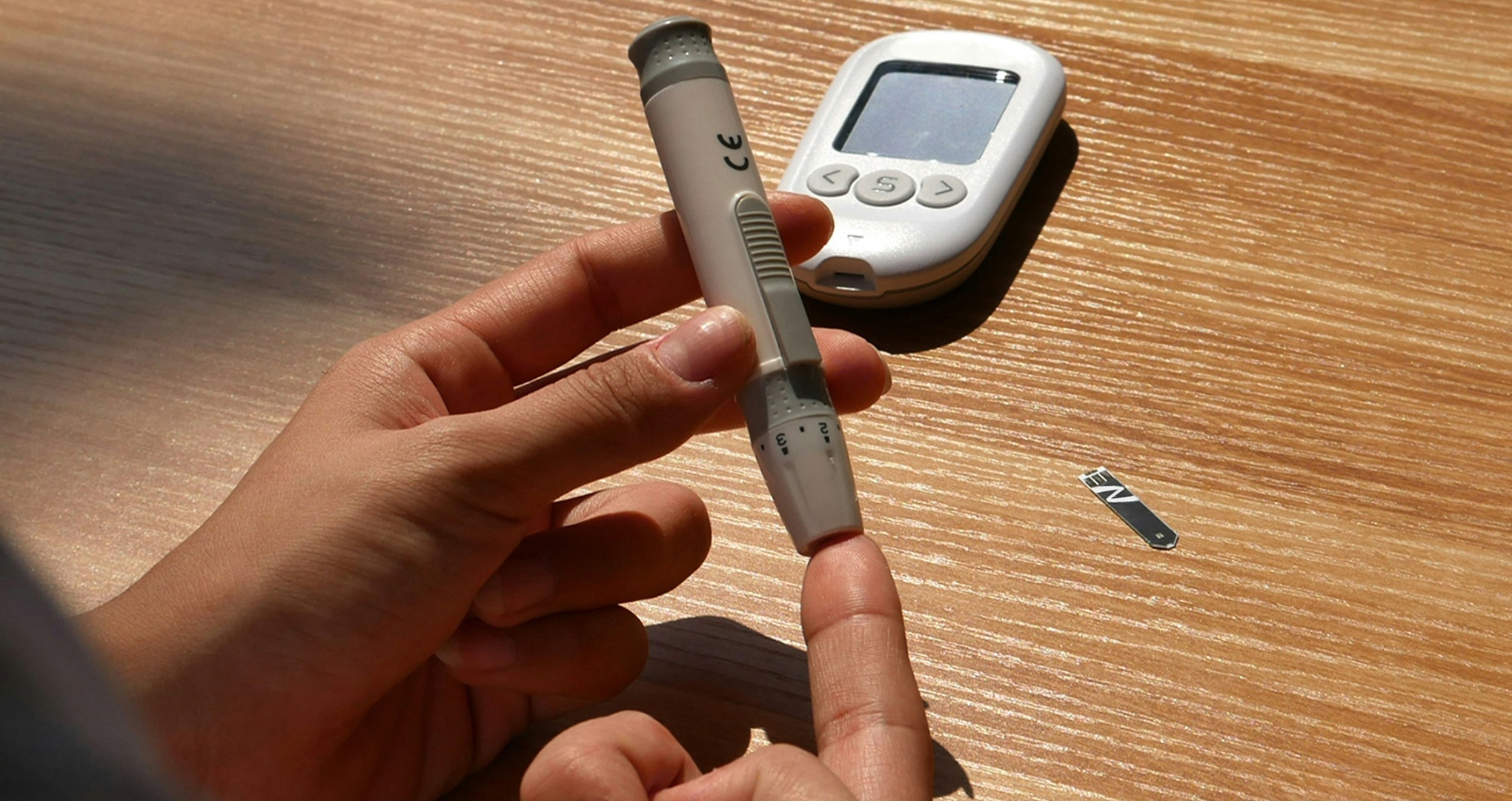
Continuous glucose monitoring uses a small sensor on the skin to track glucose levels 24/7. It helps you understand how meals, stress, sleep, and exercise affect your blood sugar in real life.
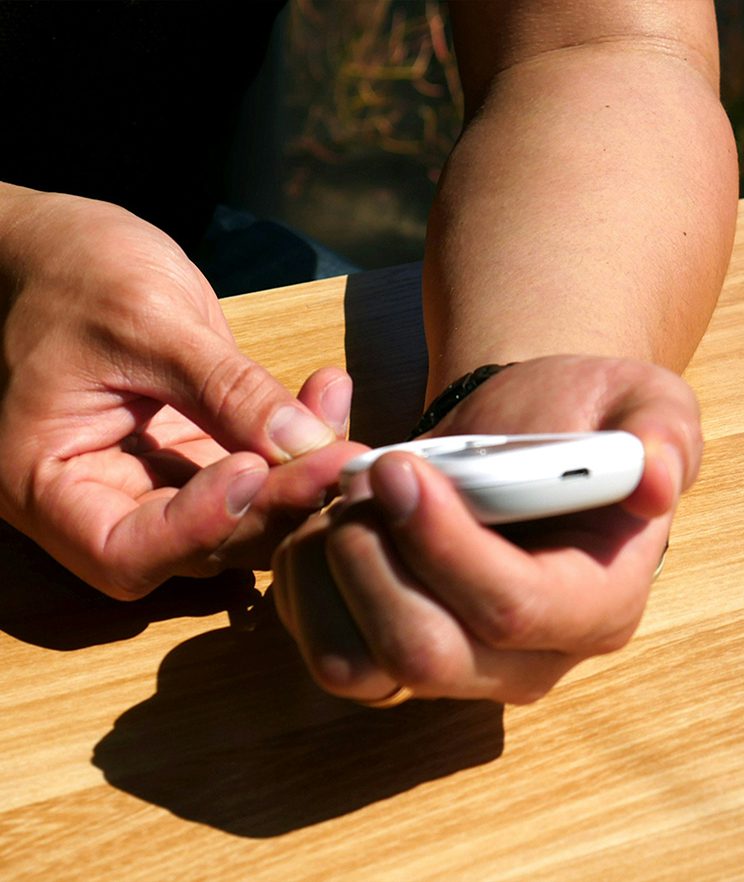
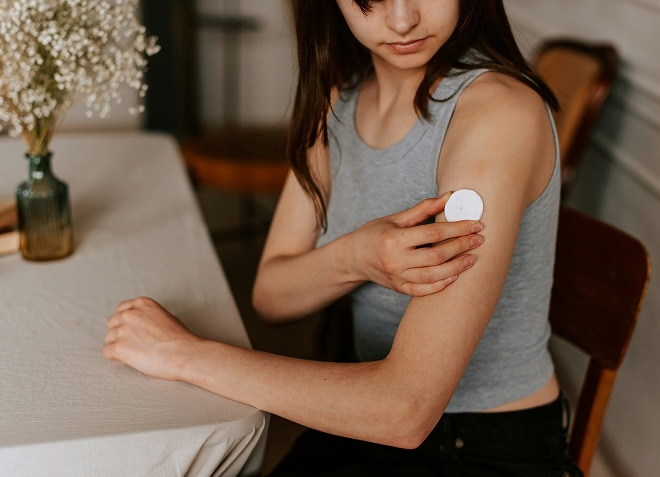
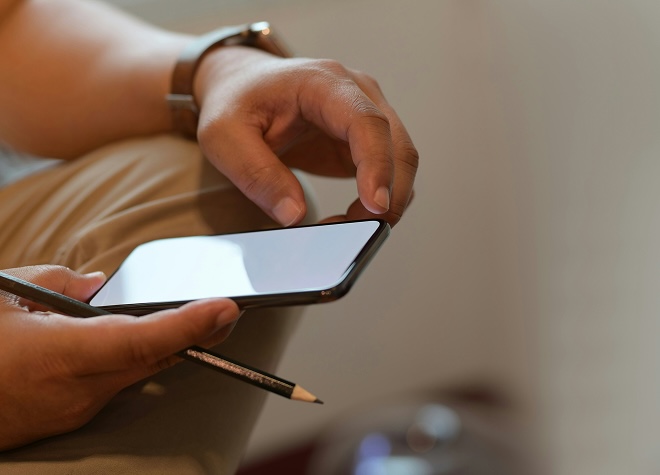
After a brief visit, a small sensor is applied to the back of your arm or another approved site, where it stays in place for 10–14 days depending on the device. You scan or sync the sensor with an app to see real‑time and trend data. Your Aerwell provider reviews the patterns with you and recommends dietary, activity, and therapeutic changes based on your unique responses. Many patients gain actionable insights within the first sensor cycle and fine‑tune behavior over subsequent months.
Please note: All clients must complete an initial assessment to determine eligibility and access this protocol.

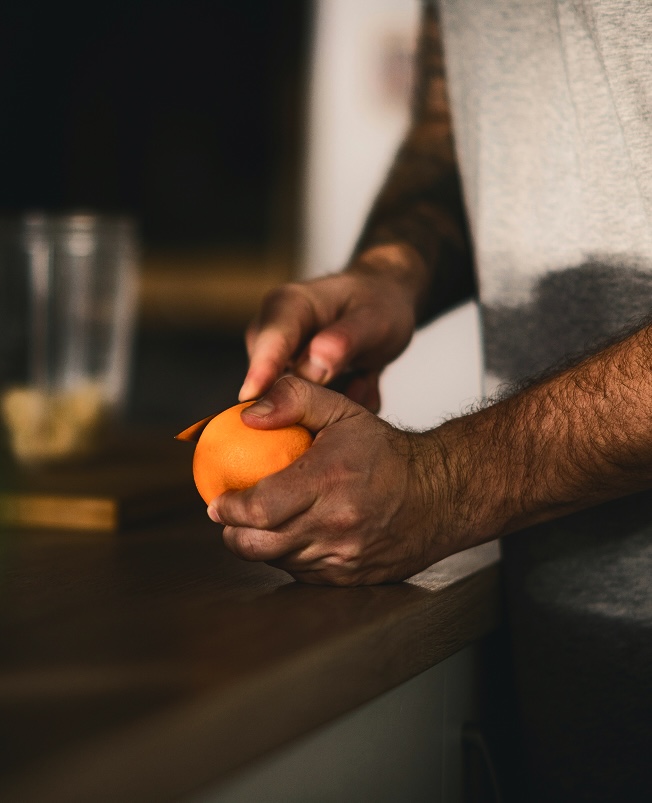
Pattern Recognition
Improved glucose patterns are associated with better energy, fewer cravings, and lower long‑term metabolic risk.
CGM Data Refines
CGM data can be integrated with metabolic and hormone‑optimization programs to refine interventions.
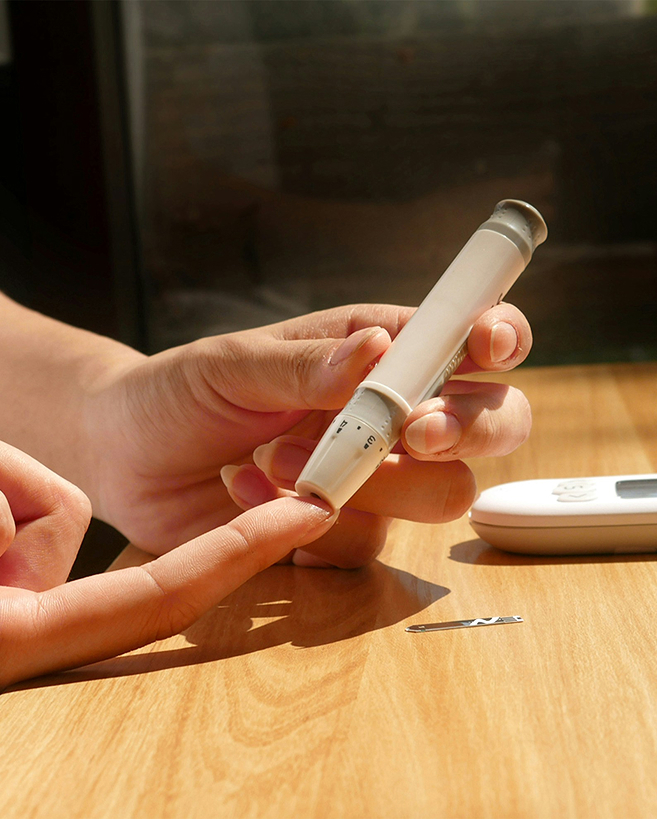
Real-Time Results
Tracking real‑time glucose helps identify hidden blood sugar spikes and crashes.
Anyone optimizing metabolism, insulin sensitivity, or weight—real-time insights into food/exercise impact.
Data-driven adjustments for better energy and health.
Typically 2 weeks per sensor; many use it cyclically or continuously for ongoing optimization.
No—it's valuable for non-diabetics seeking metabolic health, performance, or fat-loss insights.