Joint Optimization Protocols
Joint Optimization Protocols
Move better, revitalize joint health
Joint optimization protocols aim to improve joint function, reduce pain, and support long‑term mobility.
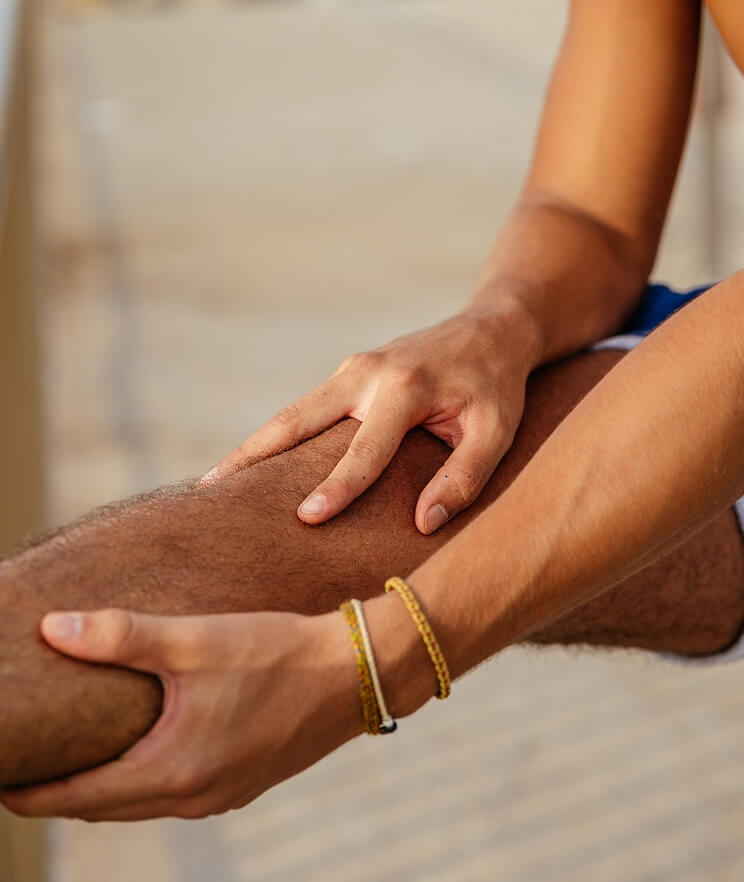
Joint optimization protocols focus on non-surgical or minimally invasive approaches to improve joint health, reduce pain, and restore function, often through regenerative techniques. The program begins with comprehensive imaging, laboratory testing, and a detailed functional assessment to evaluate joint integrity, inflammation markers, and movement patterns. This is followed by a series of targeted injections (such as PRP, hyaluronic acid, or other orthobiologics) combined with structured rehabilitation exercises over a 4–12 week period, with ongoing maintenance to sustain long-term improvements in mobility, strength, and quality of life.
Please note: All clients must complete an initial assessment to determine eligibility and access this protocol.
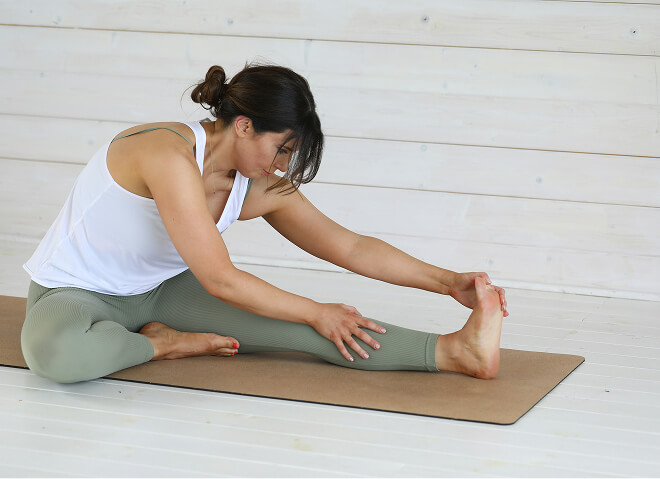

Preparation
Regular joint optimization has been proven to delay need for replacement surgeries in most clients.
Activity is Key
Joint optimization protocols prove to better outcomes in active individuals.
49%
Protocols such as PRP therapy, often used in conjunction with joint optimization, showed clients having 45-49% pain reduction.
Improved Function
Comprehensive joint optimization has been seen to improve joint function by an average of 39–44%.
Comprehensive evaluation followed by targeted injections (e.g., PRP, orthobiologics) and rehab over 4–12 weeks.
Reduced pain, improved mobility, and long-term joint health with maintenance support.
Only if conservative/regenerative options are exhausted and imaging/function indicate it’s necessary—most clients improve without surgery.
Periodic follow-up injections, ongoing rehab exercises, lifestyle adjustments, and monitoring to preserve gains.